THE HISTORY OF SOAR RUNNING
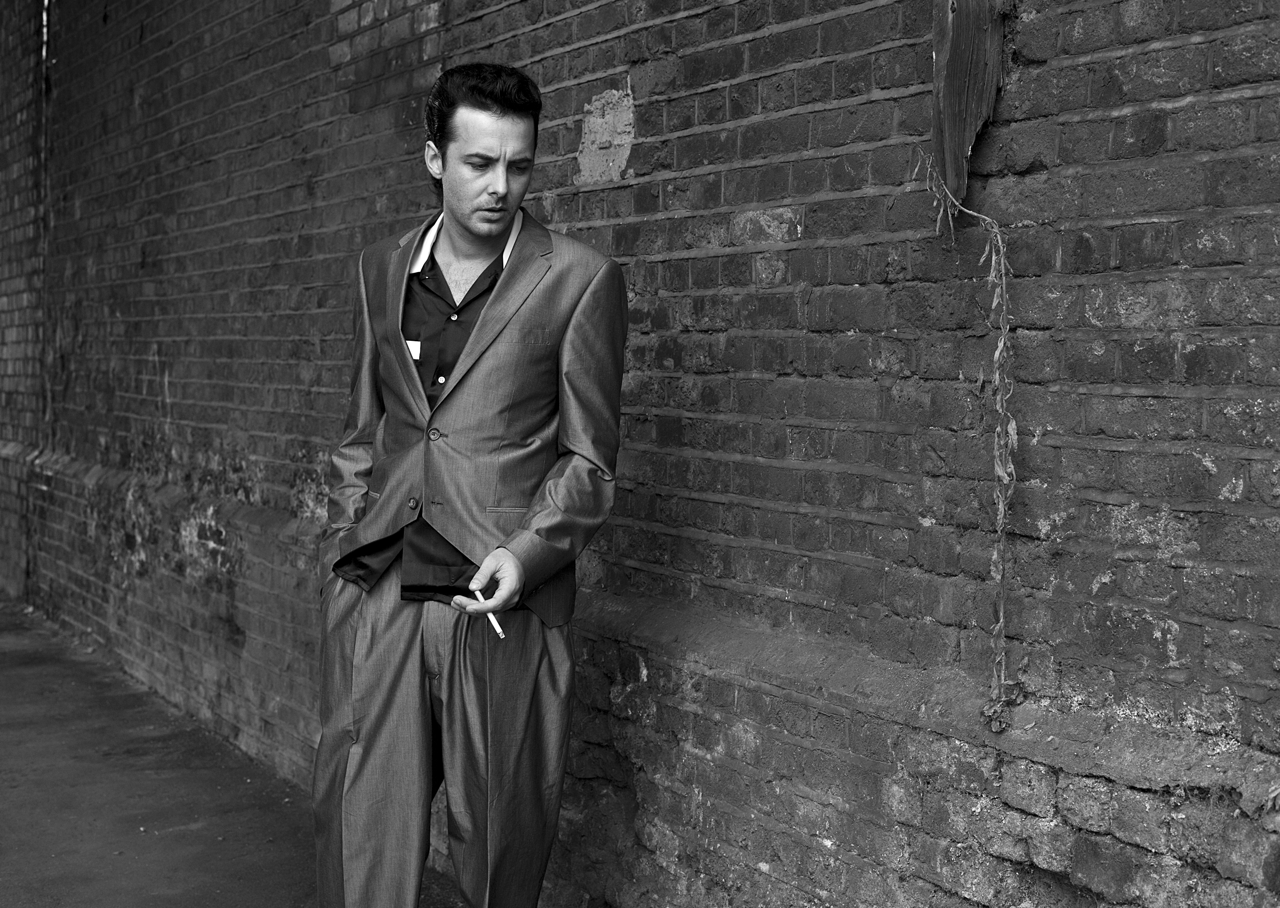
SOAR Running is often placed into a narrow category that does not fully explain how it operates. It is frequently framed through proximity to fashion or performance, but those shortcuts miss the longer, structural story. The brand is shaped by prolonged exposure to clothing systems that privilege image and momentum, followed by a deliberate reorientation toward use, testing, and physical consequence. Its history matters because it explains not just how the clothes look, but why they are built the way they are.
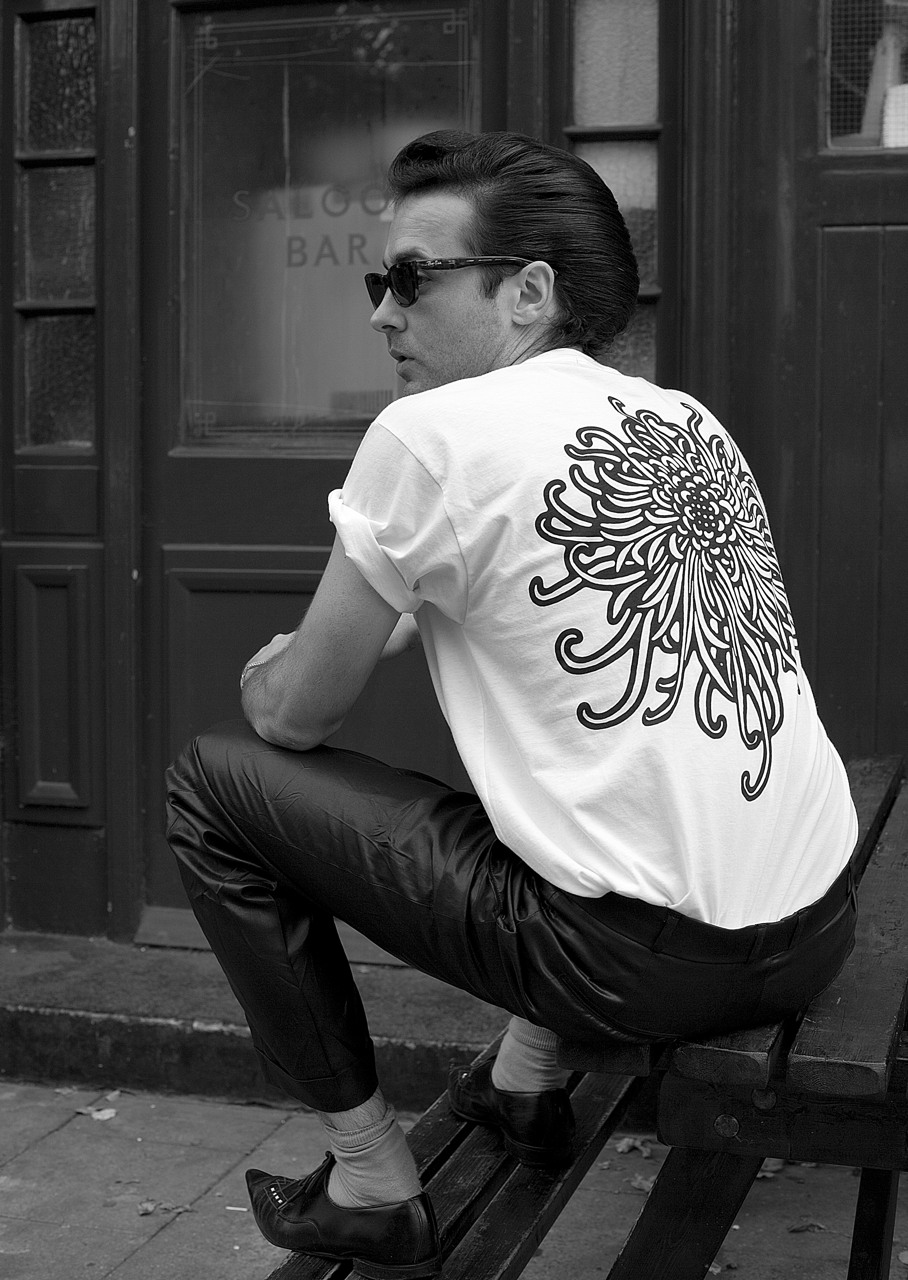
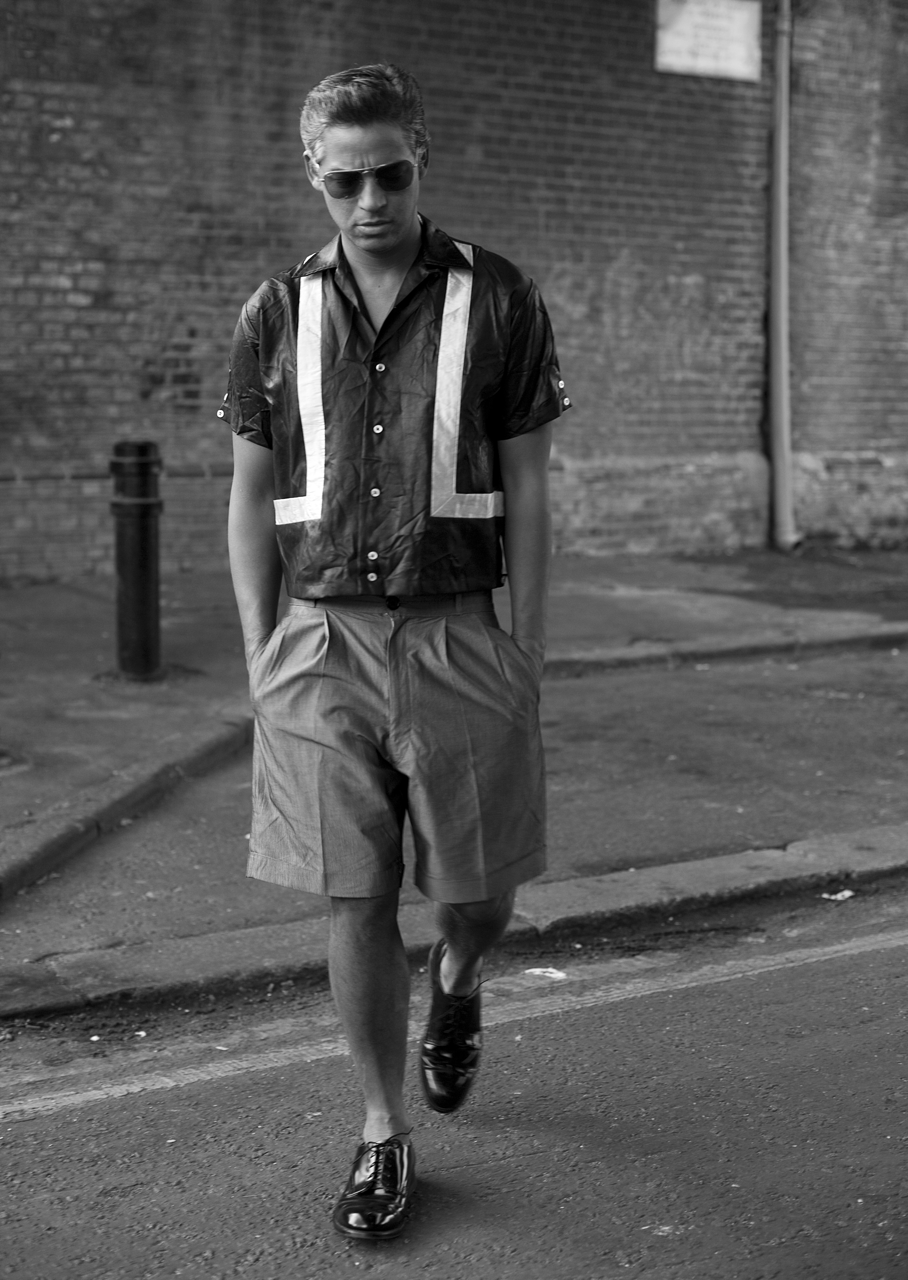
THE BRAND BEGINS INSIDE THE BRITISH FASHION SYSTEM
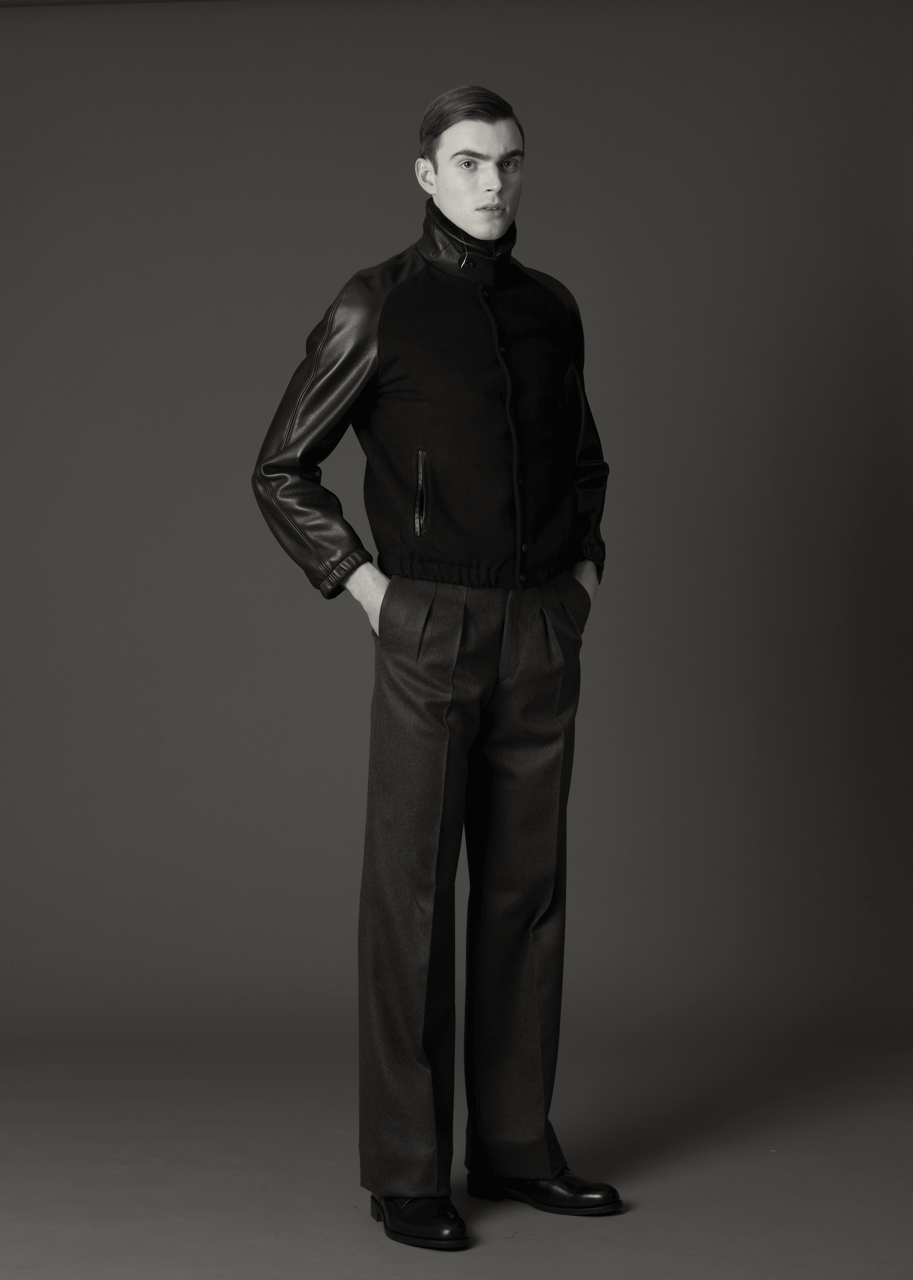
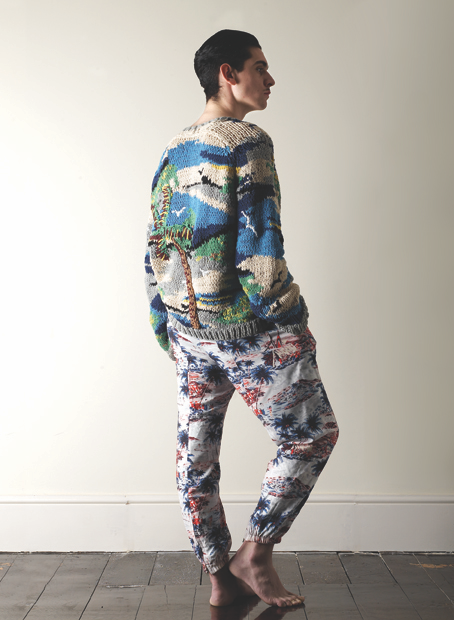
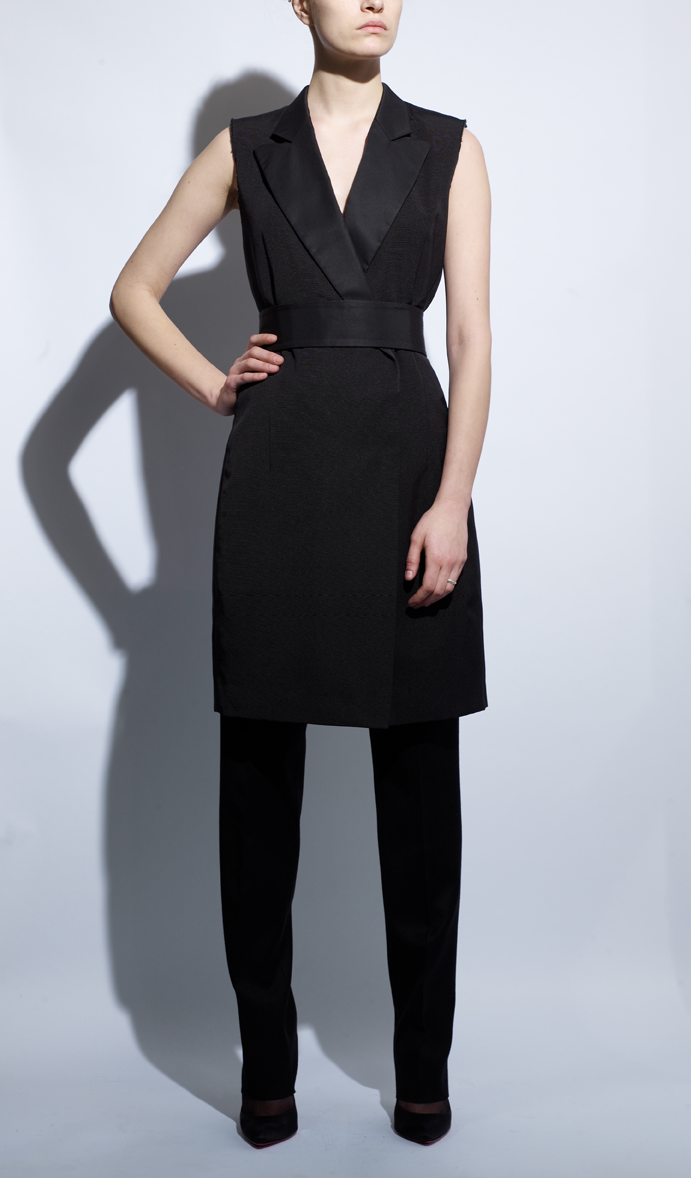
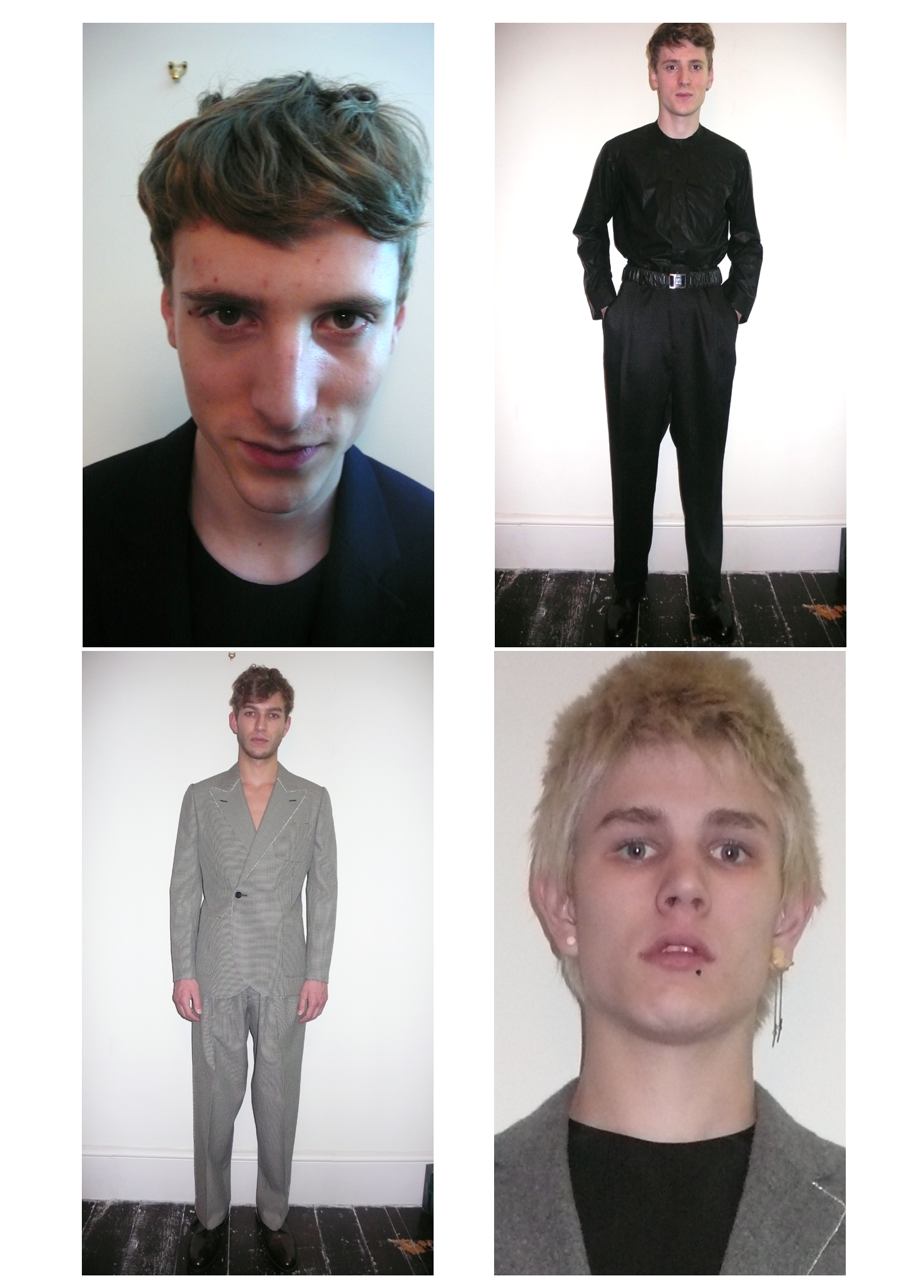
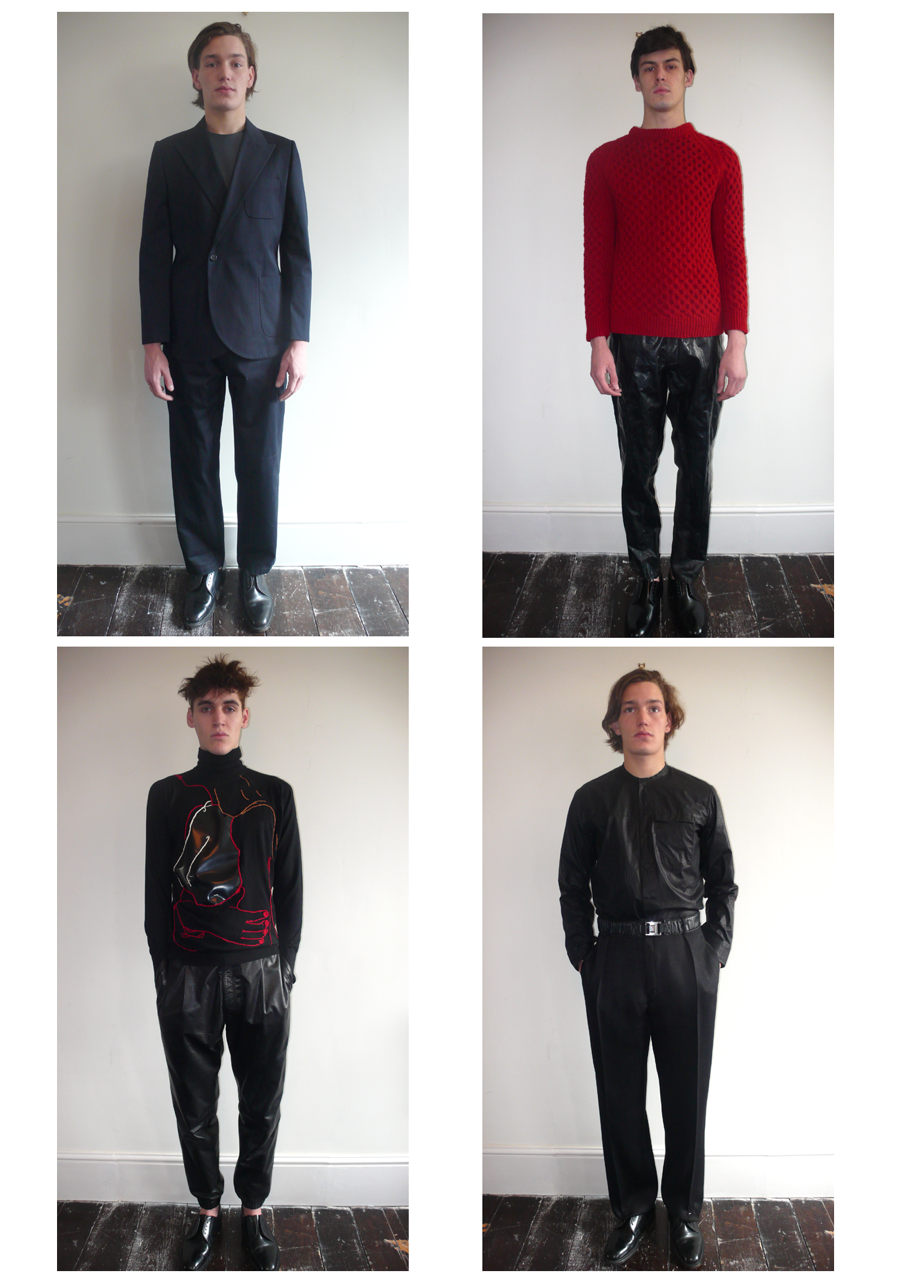
Before running became central, Tim Soar built a menswear label under his own name, Tim Soar London. The brand followed a path that was typical of British independent fashion in the 2000s. It received strong press. It showed collections. It secured respected stockists including Liberty, Browns, and Harrods. Institutional support arrived through mentoring schemes and British Fashion Council backing.
From the outside, the business appeared healthy. Inside, the structure was increasingly fragile. Seasonal expenditure often matched or exceeded seasonal revenue. Catwalk shows absorbed large portions of available capital. Labour relied heavily on interns rather than sustainable wages. The viability of each season depended on belief in the next one rather than improvements to the underlying model.
This imbalance was not theoretical. It shaped daily decisions and long term stress. Over time, it became clear that the system rewarded visibility over durability. That experience would later become central to how SOAR was built.
THE END OF TIM SOAR LONDON CREATES STRUCTURAL CLARITY
The closure of Tim Soar London did not arrive as a dramatic collapse. It came through exhaustion, arithmetic, and the slow recognition that the business could not stabilise within its existing framework. What followed was a period of recalibration rather than reinvention.
Distance from the fashion cycle exposed how much of the industry's rhythm is sustained by optimism rather than resolution. The constant promise of the next collection masked the absence of structural progress. That insight stayed present when the idea of returning to clothing resurfaced.
The desire to make garments did not disappear. The desire to repeat the same system did.
RUNNING ENTERS THROUGH PRACTICAL NECESSITY
Running began without any intention of becoming a business. It emerged as a response to physical limits and long term health after years spent in nightlife and fashion. Cycling led to running as volumes increased and routines stabilised.
As mileage built, clothing performance became impossible to ignore. Problems surfaced quickly and repeatedly. Instability over distance. Fit that shifted under fatigue. Fabrics that looked considered but degraded in use. These failures appeared across brands and price points.
Those observations accumulated without agenda. They eventually formed the basis of a question rather than a concept.
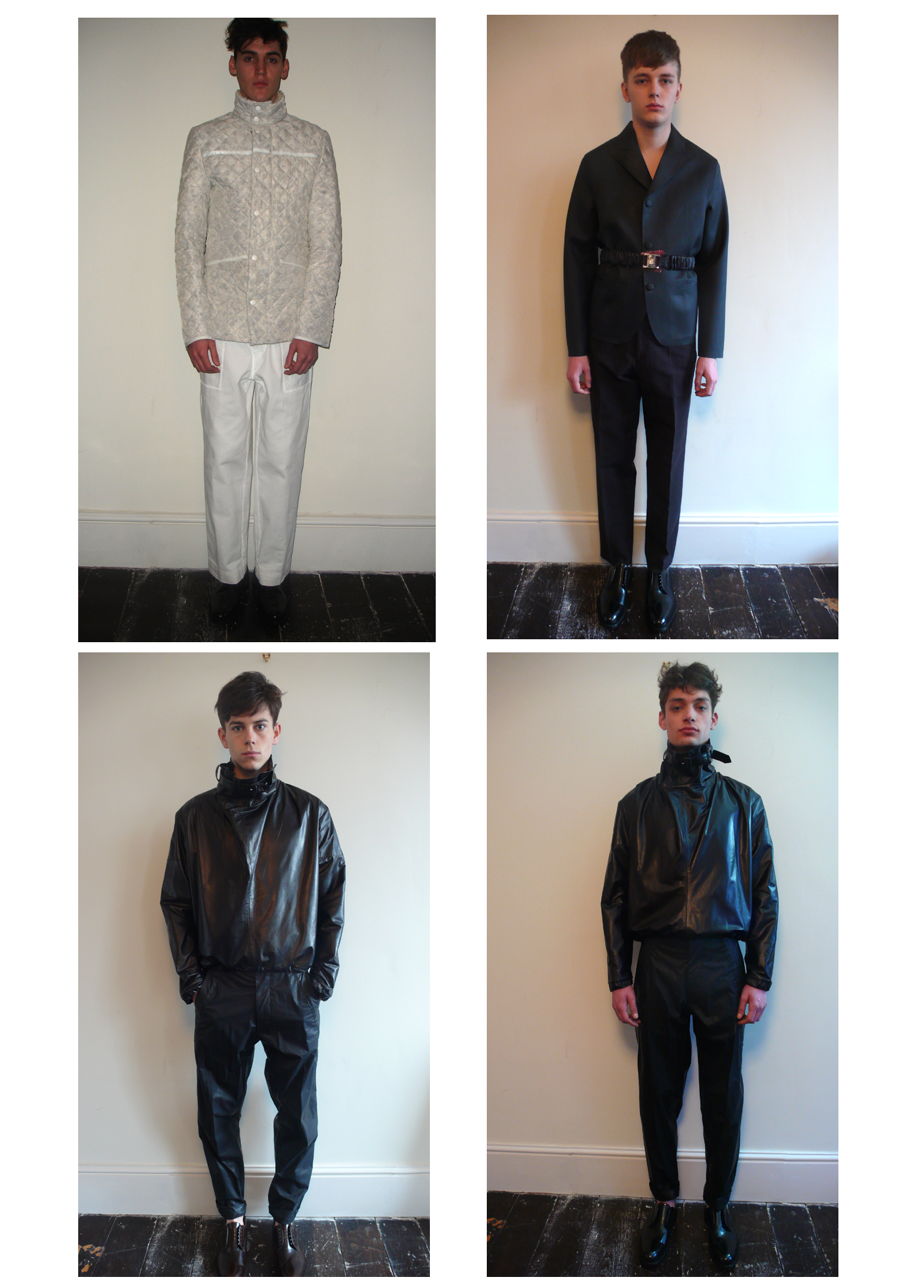
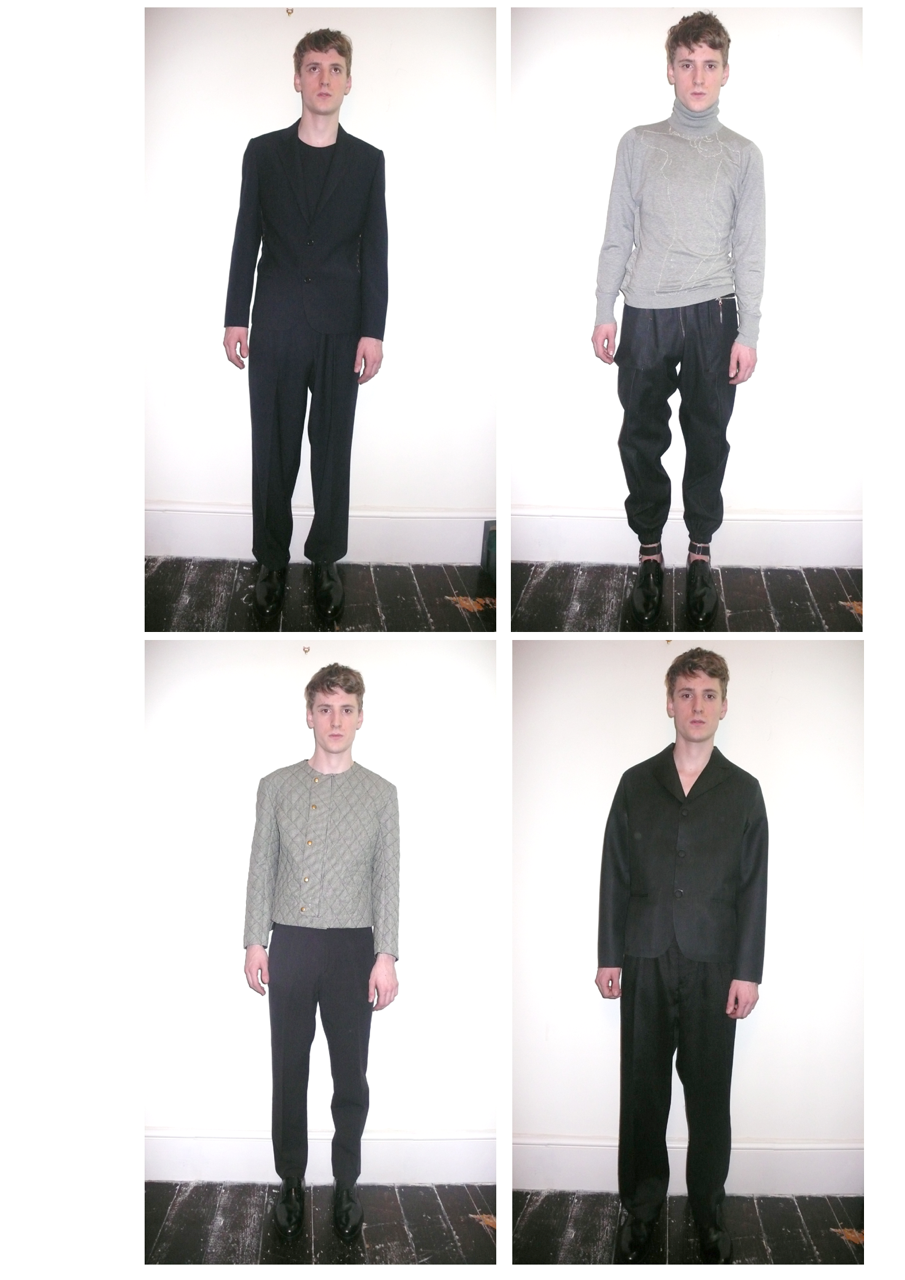
RUNNING BECOMES THE BASIS FOR DESIGN DECISIONS
Early SOAR development began with testing existing products. Running exposed where garments failed and where small adjustments could meaningfully improve experience. Ideas emerged while moving, often in response to irritation or friction rather than inspiration.
Testing became the filter. Garments were worn, altered, and worn again. The process remained personal and consistent. A design only progressed if it held up through repeated use. Explanation or intention carried no weight without performance to support it.
Over time, this logic became fixed. The body under load replaced abstract starting points. Design decisions were validated through experience rather than narrative.
PRODUCTS ARE DEVELOPED AS LONG TERM PROJECTS
SOAR's design process aligns more closely with product development than fashion authorship. Prototypes move slowly and deliberately. Hydration packs, eyewear, and specialist garments can take several years to resolve.
Fabric development happens through iteration rather than seasonal reset. Off the shelf materials provide a baseline, not a solution. Mills are asked to modify weight, structure, and behaviour. Testing feeds directly back into construction choices.
This pace limits output but builds coherence. Products enter the range when they reach a level of resolution rather than when a calendar demands them. That approach is treated as practical necessity rather than philosophy.
MATERIAL CHOICES ARE GOVERNED BY USE OVER TIME
Material attention runs through both Tim Soar London and SOAR Running. In the running context, that focus becomes explicitly functional. Wool is used for its temperature regulation and recovery properties. Silk appears for moisture handling and skin interaction. Synthetic blends are introduced where structure and durability require them.
These choices are evaluated through wear rather than presentation. Comfort after hours matters more than first impression. The brand's interest in Japanese mills, titanium components, and specialist manufacturing reflects a preference for precision and reliability rather than spectacle.
SCALE AND RANGE ARE MANAGED DELIBERATELY
Growth is approached with limits built in. Testing groups remain small to keep feedback consistent. Product overlap is reduced deliberately, with similar items retained only when their use cases genuinely differ.
Community activity exists but does not drive the brand. Urban races, unsanctioned formats, and participation based events reflect how running is understood internally. Movement remains central. Visibility remains secondary.
Commercial considerations are present, but they do not dictate form. The range balances slowly evolving staples with seasonal adjustments. Utility leads the structure.
RUNNING FUNCTIONS AS A STABILISING PRACTICE
Running is treated as both physical and mental calibration. Solitude holds value alongside community. Repetition provides clarity. That understanding shapes the brand's pace and tone.
Development remains measured. Energy is conserved. Momentum builds without urgency. Enjoyment functions as feedback rather than messaging. When development feels aligned with its origin, it continues. When it does not, it pauses.
SOAR EVOLVES THROUGH ALIGNMENT RATHER THAN REINVENTION
SOAR's history reads as convergence. Skills developed in fashion find a structure that can support them. Material knowledge gains consequence. Design decisions remain tied to physical reality.
The brand makes sense when understood as a system built by someone who has already seen where other systems fail. Its discipline comes from experience rather than posture. Its identity is shaped by use, repetition, and restraint.